The Restorative Blog
Three Years Later, My Life Looks Completely Different
Three years ago, I thought I knew what my life would look like. Since then, I’ve left a marriage, been diagnosed with PTSD, become disabled, lost the corporate design career I spent years building, started using a wheelchair, and learned to live with POTS, dysautonomia, MCAS, chronic pain, hypermobility, and bulging discs. This is the story of what changed, what I lost, what I built, and what it means to create a life around the body and person I am now.
Everyday Ableism: “But You Don’t Look Disabled”
Disability does not have one appearance. Someone can be young, dressed well, smiling, standing from a wheelchair, or able to walk short distances and still be disabled. This post explores everyday ableism, invisible and dynamic disabilities, mobility aid use, and why disabled people should not have to prove their suffering to be believed.
Everyday Ableism: When Accessibility Is Treated Like an Extra
Accessibility should not be something added after everything else has already been planned. When disabled people have to identify barriers, explain their needs, and repeatedly request inclusion, the burden of access falls on the people already navigating the barriers. This post explores everyday ableism, accessible design, and what it looks like to build environments where more people can participate from the start.
When Getting Help Creates More Work
Getting help is supposed to reduce the amount of work a disabled person has to carry. But caregiving often comes with its own invisible workload: finding caregivers, managing schedules, explaining needs, handling turnover, completing paperwork, and navigating systems. This post explores the cognitive and emotional labor behind disability support, and why help is only truly helpful when it creates more capacity than it consumes.
When "Disabled" Becomes a Dirty Word (And Why That's a Problem)
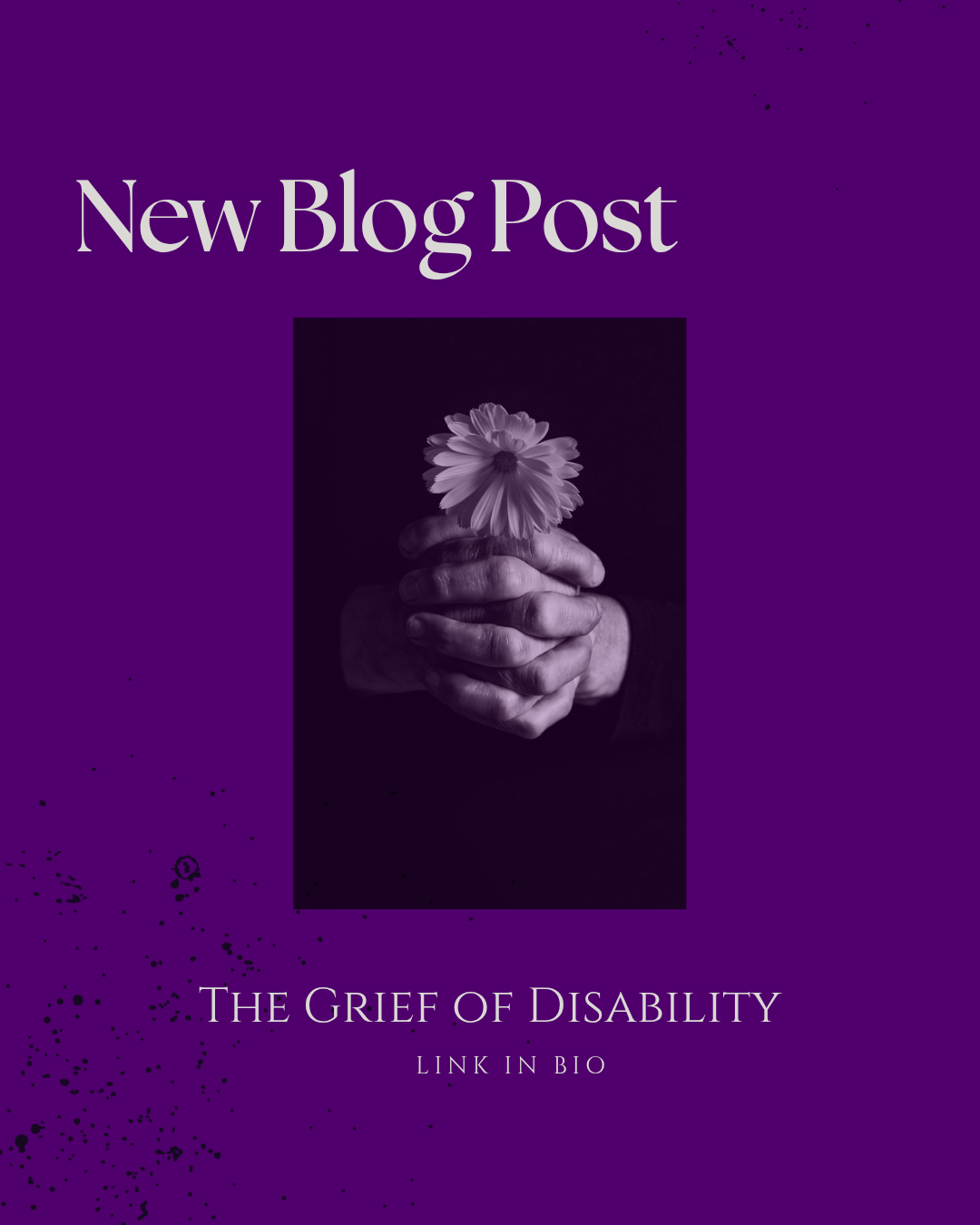
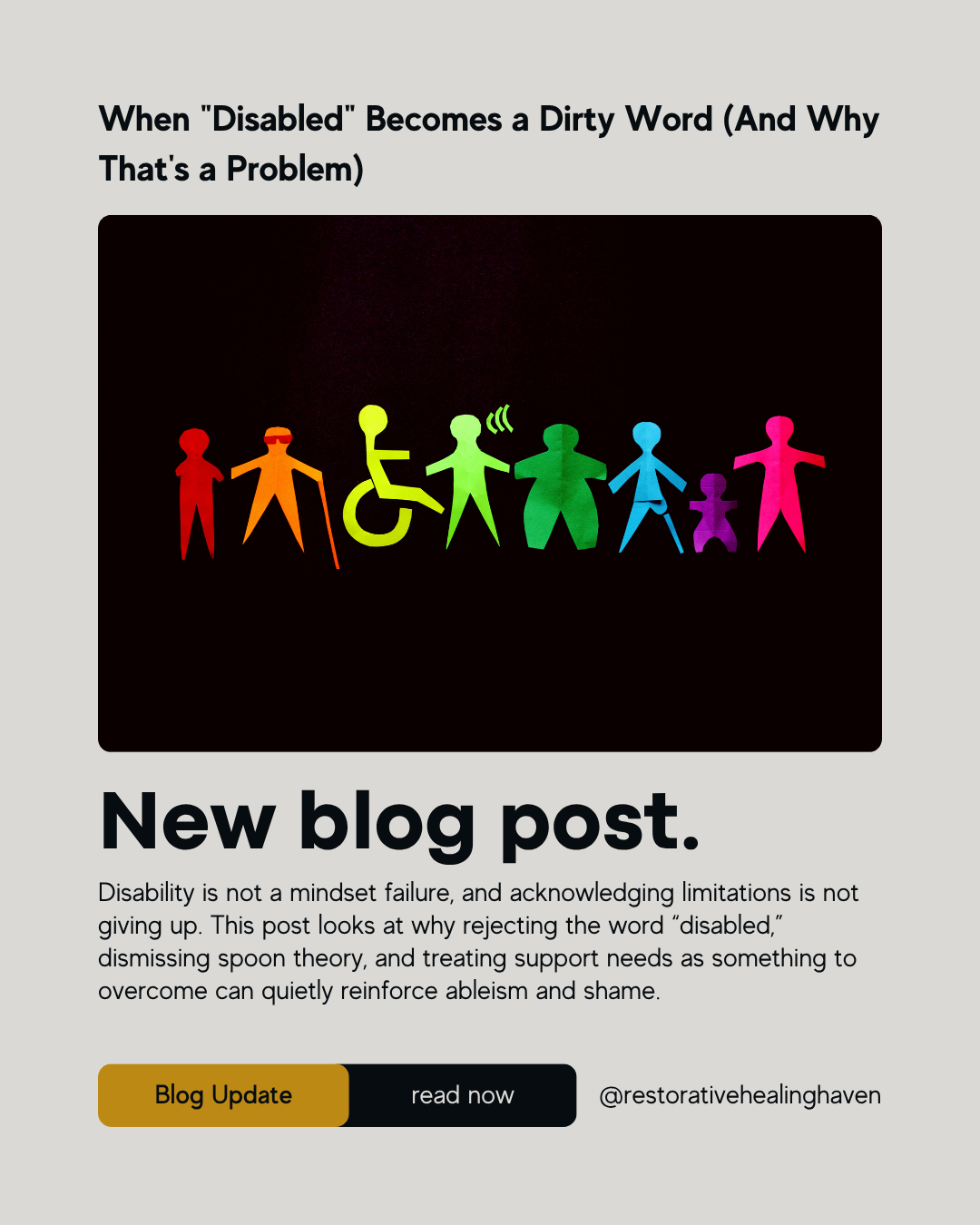
The word “disabled” is often treated like something negative, limiting, or shameful. But disability is not a failure, and acknowledging real limits does not mean giving up. This post explores how distancing ourselves from disability, dismissing spoon theory, and reducing support needs to mindset can reinforce ableism, and why disability acceptance can create more room for accommodations, pacing, support, and a life that actually fits your body.
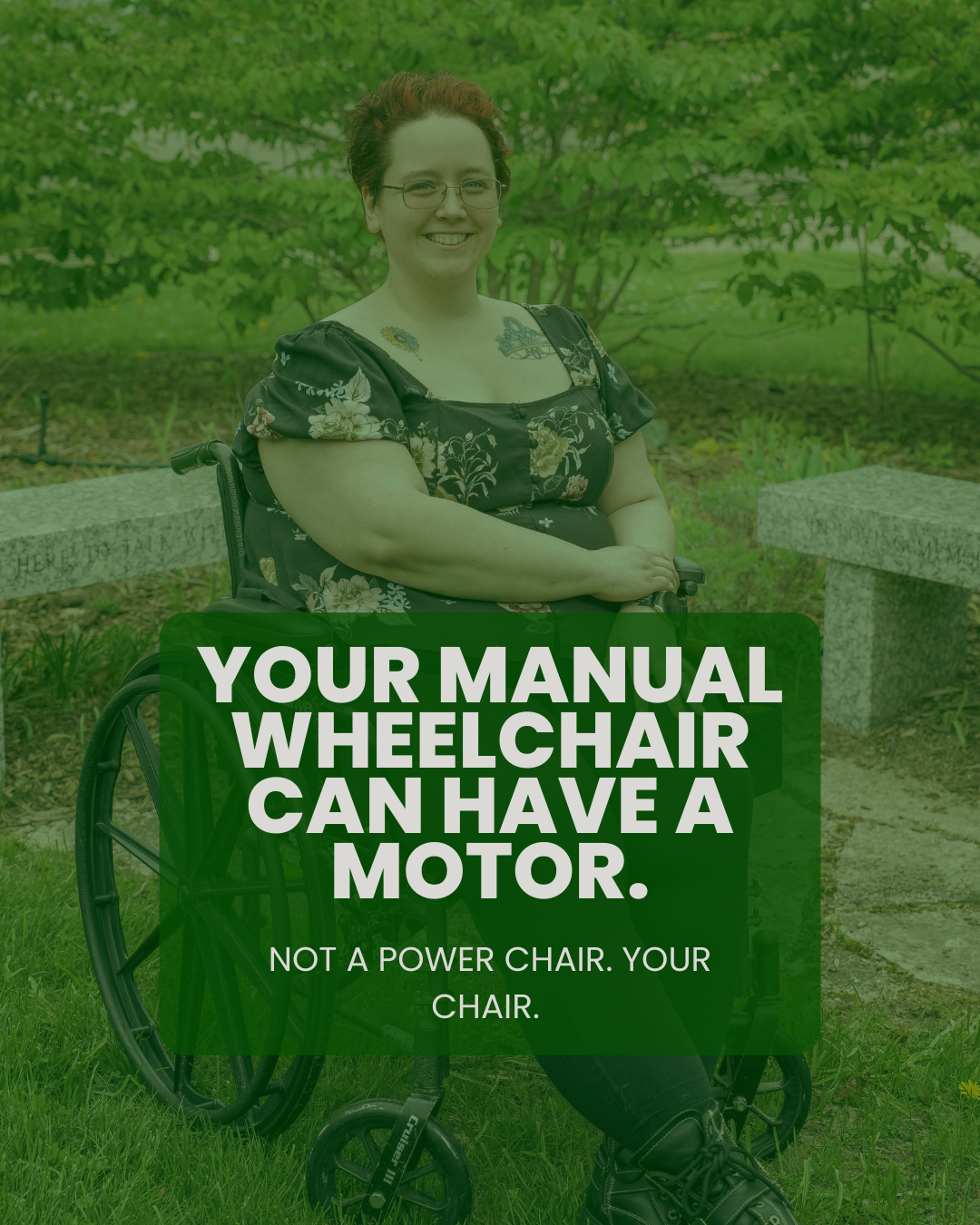
What Nobody Told Me About Manual Wheelchairs: A Guide to Power Add-Ons That Can Change Everything
I got my SmartDrive with my chair. What nobody mentioned at my mobility eval were all the other options that existed. I spent hours watching videos online trying to find someone who lived like me and could show me what was actually possible. This is the post I kept searching for.
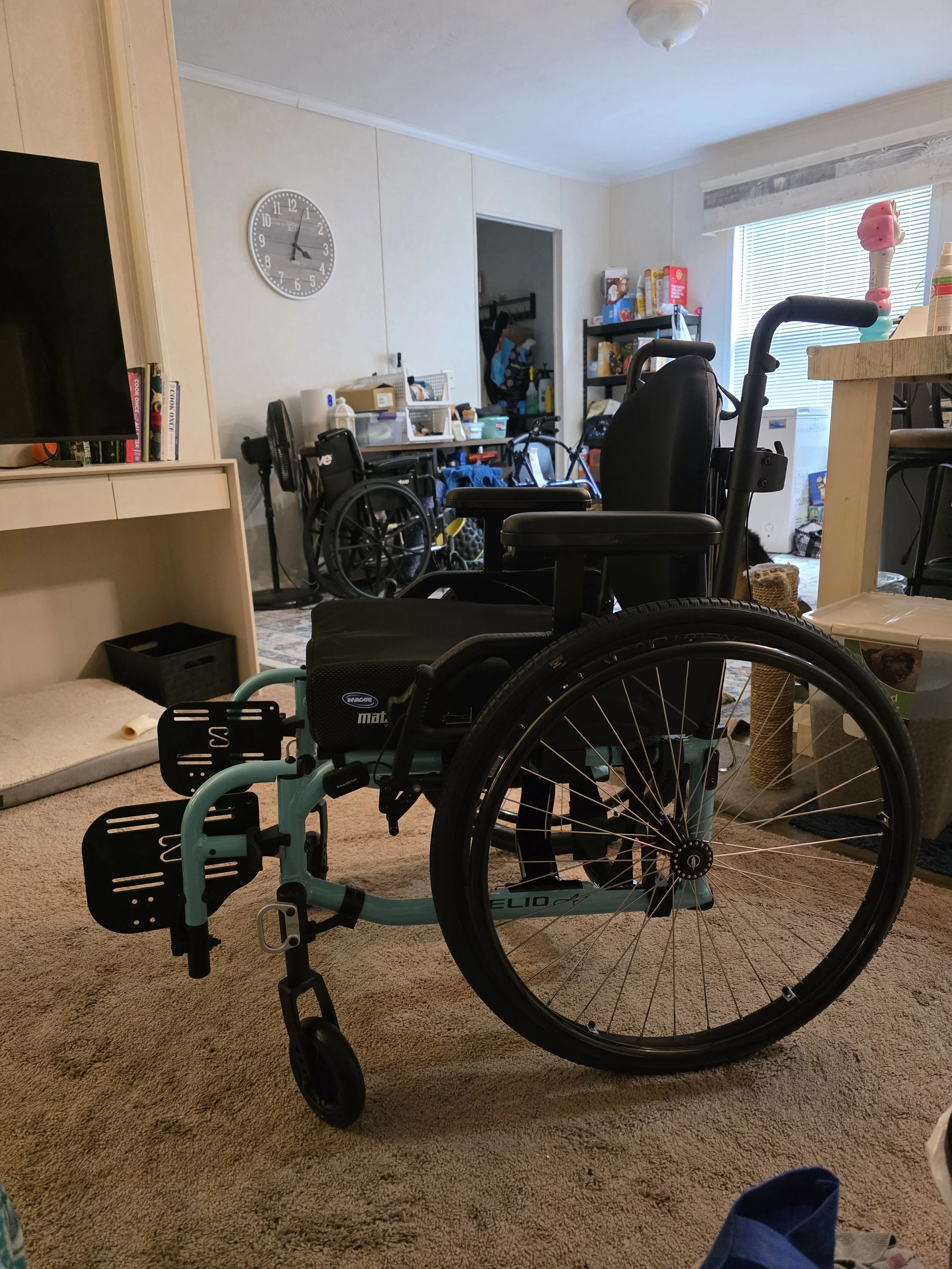
Ambulatory Wheelchair Users and the Insurance Maze: The Damage Claim
One week after getting my custom wheelchair, the SmartDrive wiring harness failed. Here's what happened, how I handled the damage claim, and what I learned about advocating for a fix when you're exhausted and just want to take your daughter to Harborfest.
Ambulatory Wheelchair Users and the Insurance Maze: It's Here
After six months of insurance approvals, lost faxes, and paperwork I had to chase down myself, my wheelchair finally arrived. But delivery day didn't go as planned, the fitting wasn't perfect, and walking out the door I already knew some things still needed to be fixed. Here's the honest version of what getting your chair actually looks like, and what it felt like to finally use something made for my body.
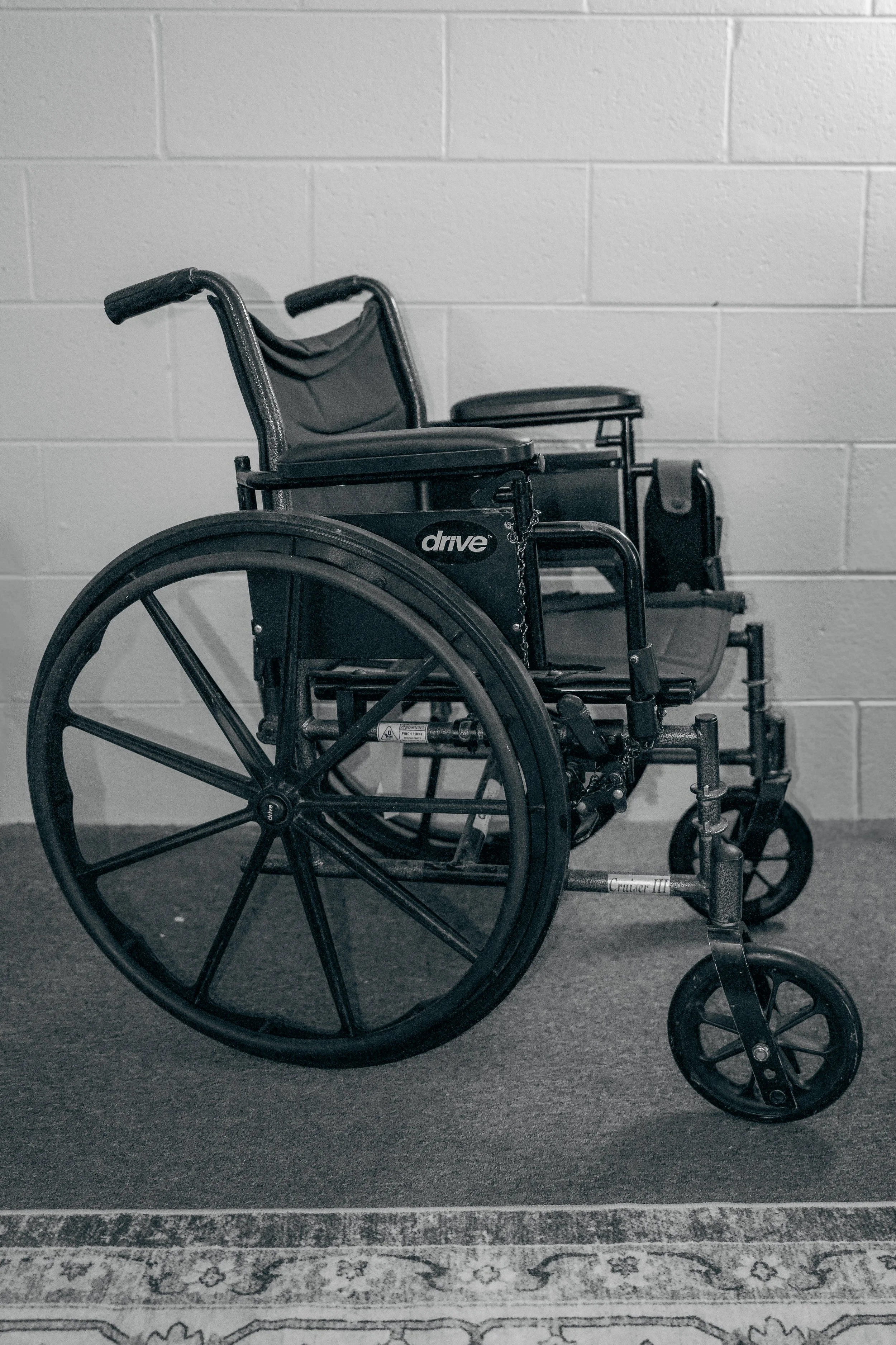
Ambulatory Wheelchair Users and the Insurance Maze: The Evaluation
Getting a wheelchair should not require this much labor from a disabled person. In Part 2 of my wheelchair journey, I share what the mobility evaluation actually looked like, how I advocated for a specific chair that fit my real life, and what happened when the paperwork process fell apart all over again. If you're navigating something similar, this one is for you.
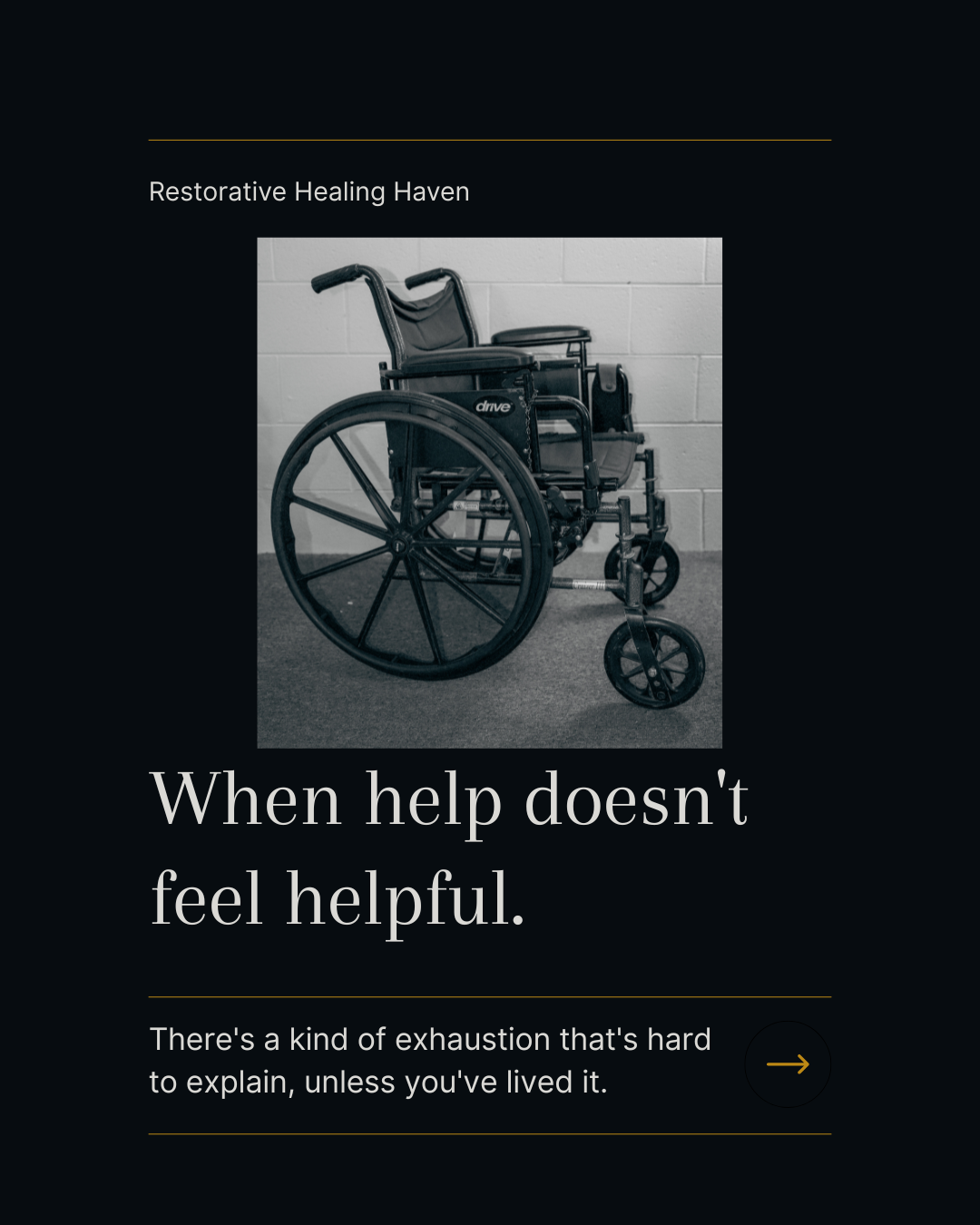
When Help Doesn't Feel Helpful: The Emotional Weight of Managing Care
Getting help should reduce the weight you are carrying. But for many disabled, chronically ill, and neurodivergent people, caregiving support can quietly become another thing to manage. In this post, I share what I have learned about the difference between help and real support, why boundaries matter in care relationships, and what it felt like to make a hard but necessary decision in my own life.