The Restorative Blog
Accessibility Was Never Given Freely
Curb cuts, captions, ramps, accessible transportation, and accommodations can feel like ordinary parts of modern life. But many of these forms of access exist because disabled people organized, protested, and demanded change. Accessibility has a history, and that history matters.
Three Years Later, My Life Looks Completely Different
Three years ago, I thought I knew what my life would look like. Since then, I’ve left a marriage, been diagnosed with PTSD, become disabled, lost the corporate design career I spent years building, started using a wheelchair, and learned to live with POTS, dysautonomia, MCAS, chronic pain, hypermobility, and bulging discs. This is the story of what changed, what I lost, what I built, and what it means to create a life around the body and person I am now.
Everyday Ableism: “But You Don’t Look Disabled”
Disability does not have one appearance. Someone can be young, dressed well, smiling, standing from a wheelchair, or able to walk short distances and still be disabled. This post explores everyday ableism, invisible and dynamic disabilities, mobility aid use, and why disabled people should not have to prove their suffering to be believed.
Disability History Is American History
Disabled people have always been part of American history, but their organizing, protests, and fight for civil rights are often left out of the story. From Section 504 to the ADA, disability history shows us that accessibility was not simply given. It was fought for.
Everyday Ableism: When Accessibility Is Treated Like an Extra
Accessibility should not be something added after everything else has already been planned. When disabled people have to identify barriers, explain their needs, and repeatedly request inclusion, the burden of access falls on the people already navigating the barriers. This post explores everyday ableism, accessible design, and what it looks like to build environments where more people can participate from the start.
When Getting Help Creates More Work
Getting help is supposed to reduce the amount of work a disabled person has to carry. But caregiving often comes with its own invisible workload: finding caregivers, managing schedules, explaining needs, handling turnover, completing paperwork, and navigating systems. This post explores the cognitive and emotional labor behind disability support, and why help is only truly helpful when it creates more capacity than it consumes.
Trauma Lives in the Body. That Doesn’t Mean Healing Trauma Cures Chronic Illness.
Trauma can affect the body, but that does not mean unresolved trauma causes every chronic illness or that healing trauma will make someone nondisabled. This post explores the relationship between trauma, the nervous system, chronic illness, and mind-body healing without turning healing into blame, pressure, or a promise of cure.
Part 2: If We Can't Get In, We Never Come | The Entrance Problem
The entrance is the first thing. Before anyone can experience your space, your staff, your services, or your community, they have to get through the door. And for a significant number of people with disabilities, that door is where the visit ends before it ever begins. This post covers the full range of entrance accessibility fixes, from a $20 threshold ramp you can order today to the automatic door opener that larger institutions have no good excuse for not having.
Working Through the Shame Culture Puts on Disabled and Neurodivergent Bodies
Shame around needing rest, accommodations, support, or different pacing does not come from nowhere. For many disabled and neurodivergent people, it is learned through years of being treated as difficult, lazy, inconvenient, or too much. This post explores where that shame comes from, how it can become embedded in the nervous system, and what it can look like to begin unlearning it.
Part 1: What "Accessible Enough" Actually Means (And Why It Matters)
There is a significant gap between what buildings are legally required to do and what actually makes a space usable for a real person with a real body. I know this from both sides. I spent a decade as an NCIDQ certified interior designer on the commercial side of the industry. Then I became disabled myself. This series is about bridging that gap, practically, affordably, and without the legal lecture.
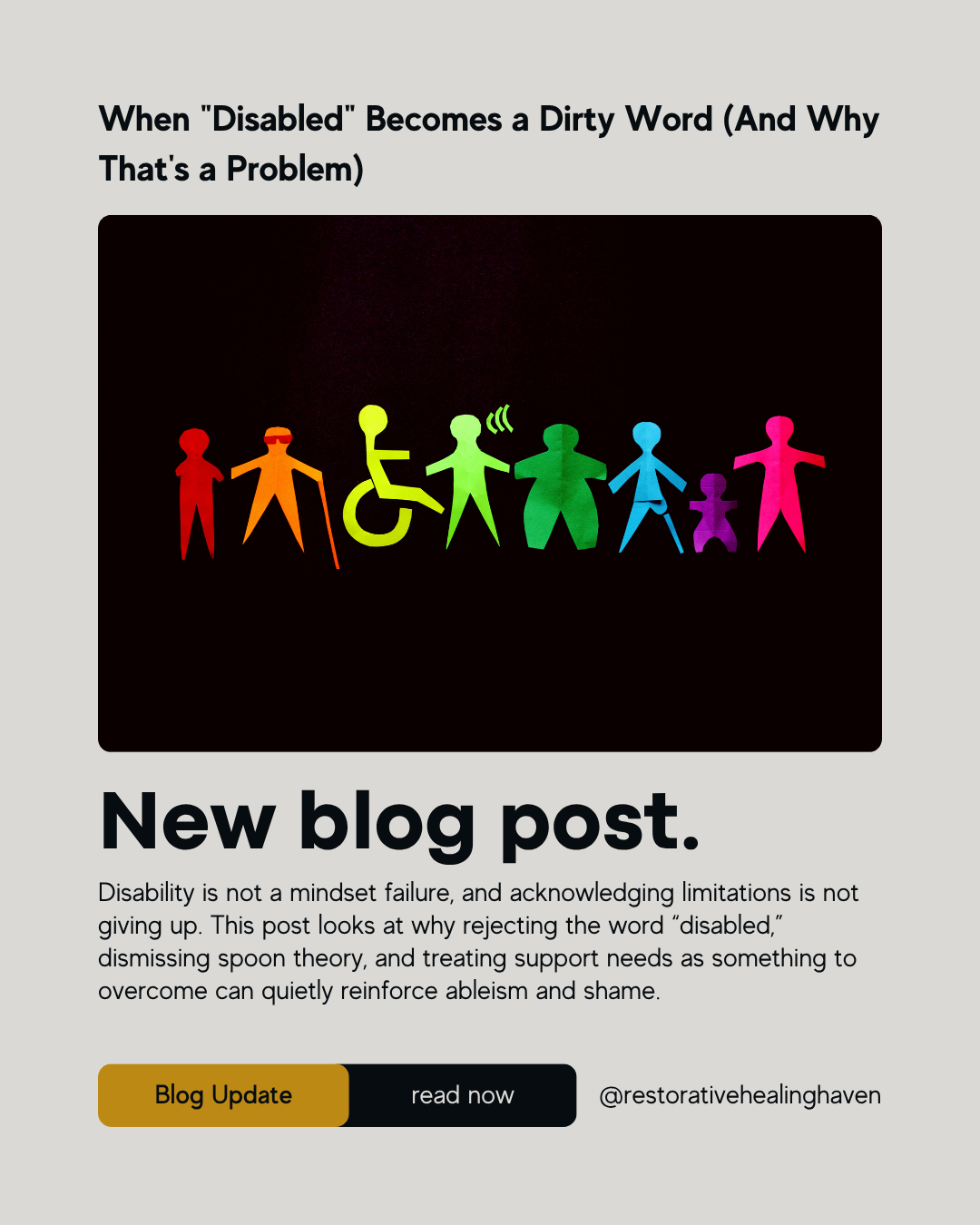
When "Disabled" Becomes a Dirty Word (And Why That's a Problem)
The word “disabled” is often treated like something negative, limiting, or shameful. But disability is not a failure, and acknowledging real limits does not mean giving up. This post explores how distancing ourselves from disability, dismissing spoon theory, and reducing support needs to mindset can reinforce ableism, and why disability acceptance can create more room for accommodations, pacing, support, and a life that actually fits your body.
Part 3: Once You're Inside | Why Getting Through the Door Is Only Half the Battle
Getting through the door is only the beginning. From aisle width and flooring to seating, bathrooms, changing rooms, and lighting, the inside of a building can create just as many barriers as the entrance itself. This post breaks down practical accessibility improvements for businesses, churches, and public spaces across a range of budgets.
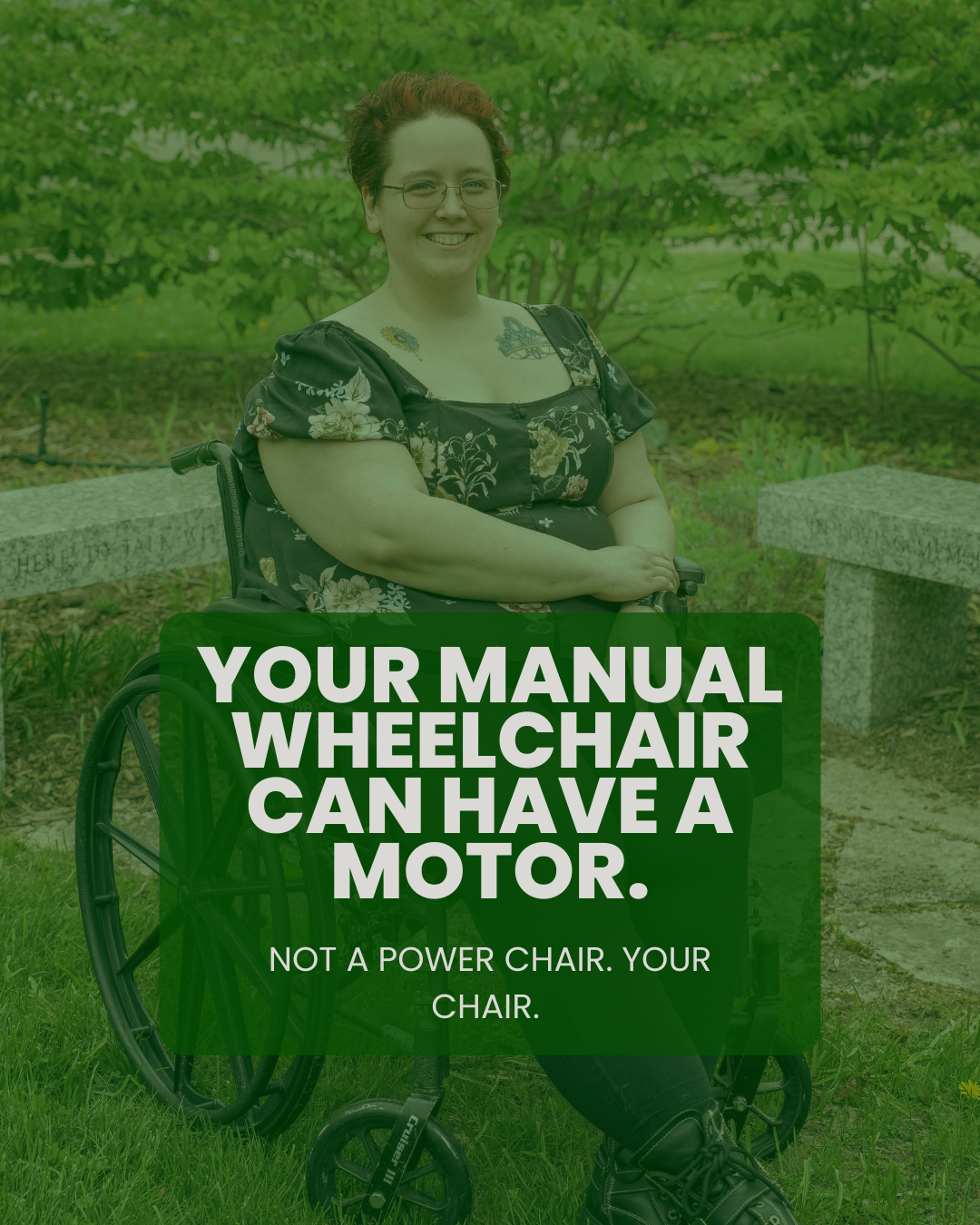
What Nobody Told Me About Manual Wheelchairs: A Guide to Power Add-Ons That Can Change Everything
I got my SmartDrive with my chair. What nobody mentioned at my mobility eval were all the other options that existed. I spent hours watching videos online trying to find someone who lived like me and could show me what was actually possible. This is the post I kept searching for.
What Is Muscle Testing and Why Do I Use It With My Clients?
Muscle testing is a way of asking the body questions and listening to how it responds. Not through words, but through subtle shifts in muscle response, balance, and physical feedback. The idea is that the body holds information our conscious mind does not always have access to, and that when the nervous system encounters stress, whether from a belief, a food, or an unprocessed emotion, it often shows up as a change in muscle tone or stability. In trauma-informed practice, this becomes a powerful entry point for the work that talk alone cannot always reach.
When Your Body Makes the Decision for You
Sometimes missing out isn’t really a choice. When you’re disabled or chronically ill, wanting to do something and having the capacity to do it are not always the same thing. In this post, I’m writing about the quieter grief of letting your body make the decision, the invisible calculations behind everyday plans, and what it means to respect your limits without pretending the disappointment doesn’t still hurt.
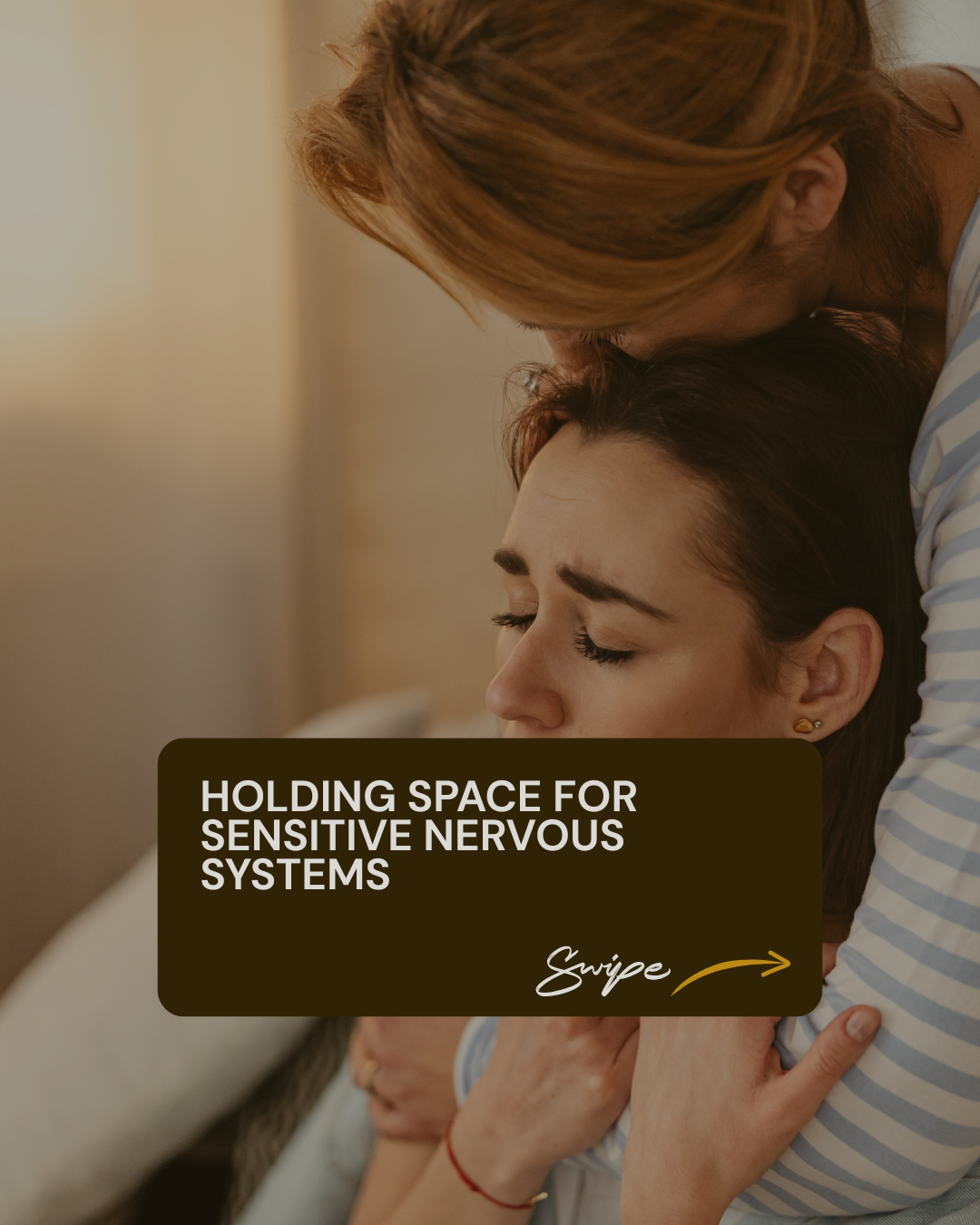
Holding Space for Sensitive Nervous Systems
Some therapeutic models weren't built with a highly sensitive, autistic, or chronically ill nervous system in mind. This piece looks at what gets lost when reactions get treated as distortions instead of data, and what therapy can look like when it stays curious about the body instead of correcting it.
Autism Isn't Just About the Brain. It's About the Nervous System Too.
When people think about autism, they usually think about communication differences or sensory sensitivities. What doesn't get talked about enough is the nervous system itself, and why so many autistic people describe living in a body that stays on high alert even when nothing is "wrong."
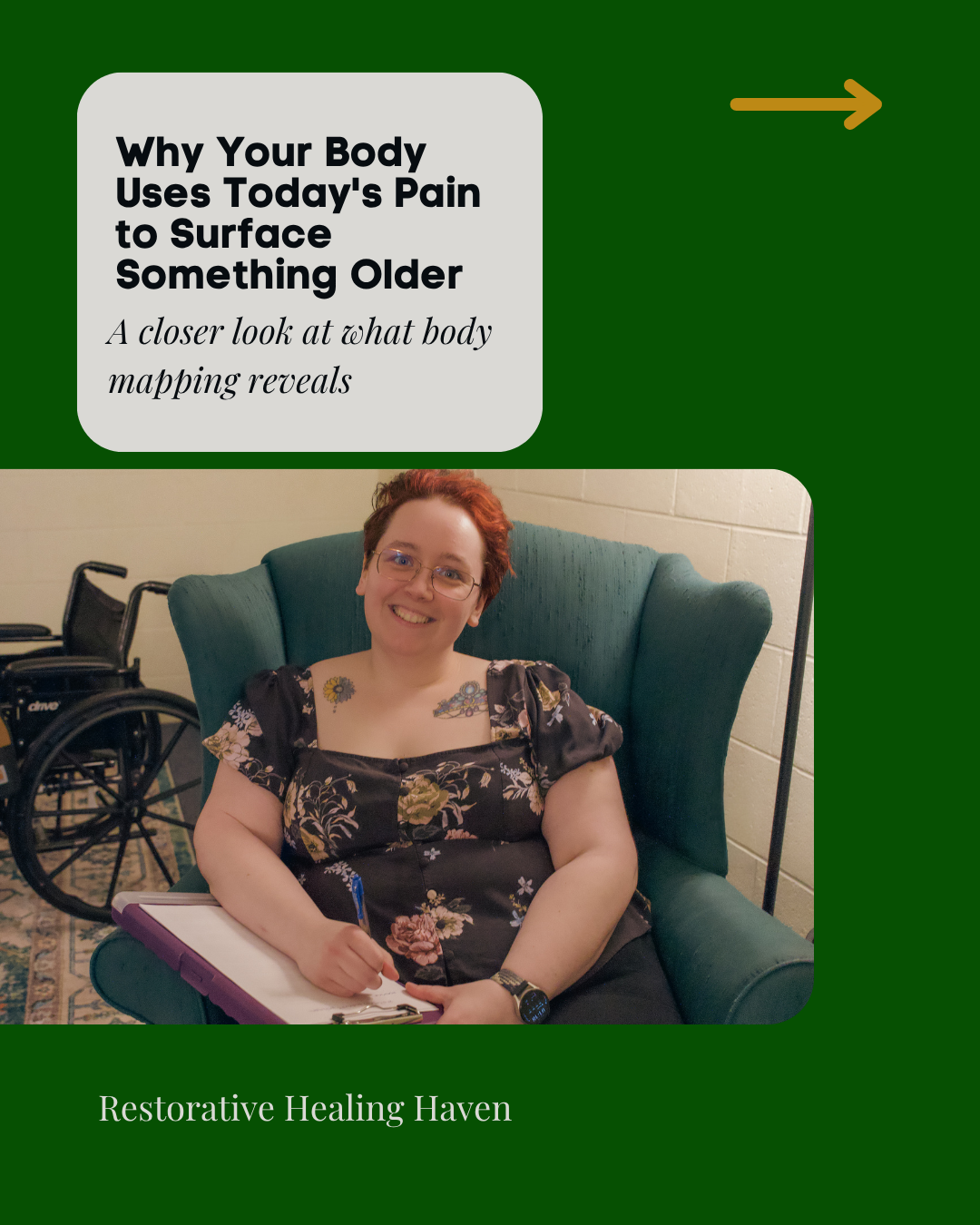
Why Your Body Uses Today's Pain to Surface Something Older
You didn't come in because of sore muscles. You came in because something felt heavy, or overwhelming, or hard to name. But when we slowed down and did body mapping, the physical sensation that was already present in your body became a doorway into something older. Here's why that happens, and why your body waited until now to show you.