Trauma-Informed Reiki, Life Navigation & Disability-Affirming Support
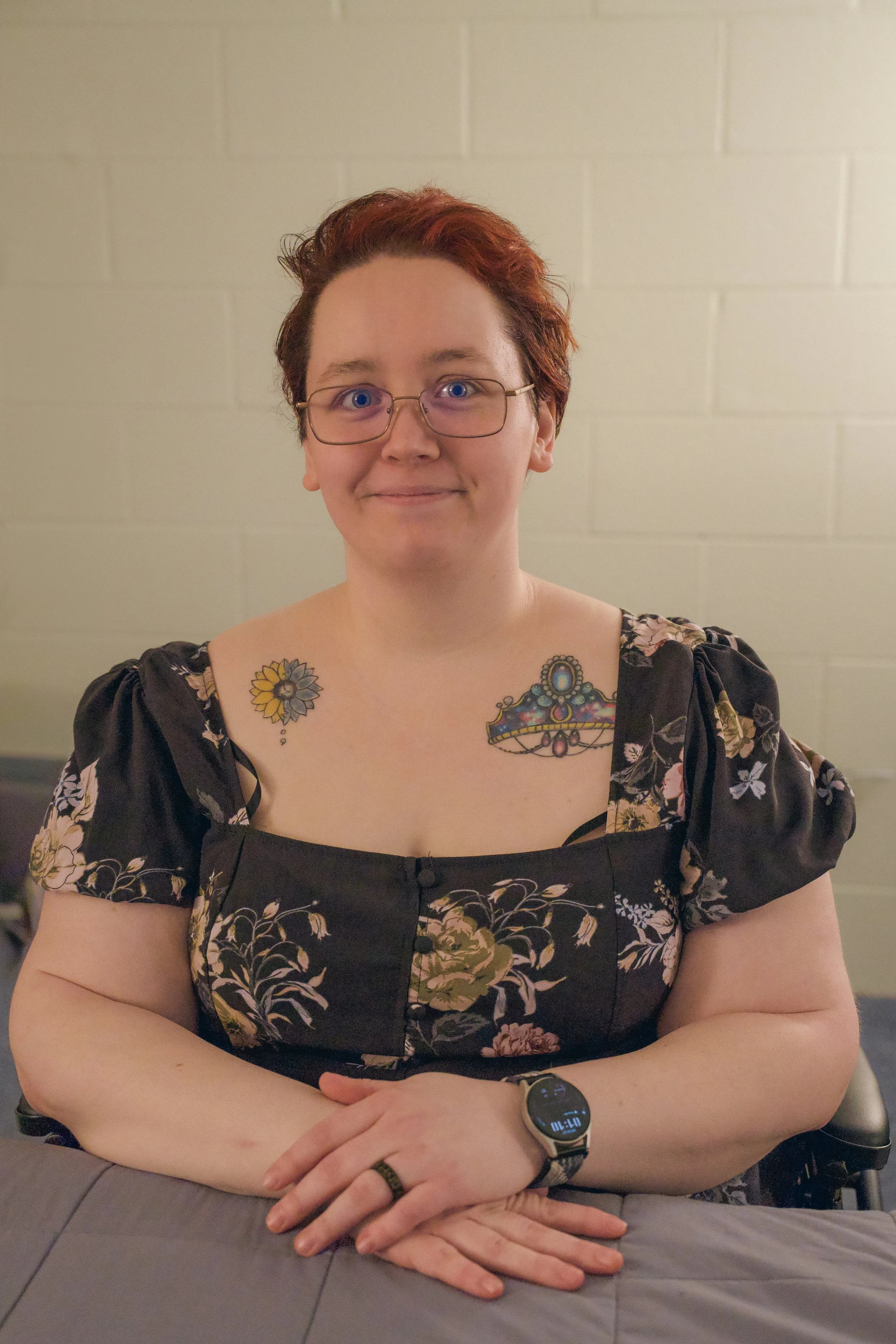
A Little About Me
Before this work, I spent years in corporate interior design, accessibility, training, and problem-solving as an NCIDQ-certified designer.
Today, I bring that same systems-based way of thinking into trauma-informed support, Reiki, disability advocacy, accessibility, and Life Navigation.
I tend to notice the places where environments, systems, and expectations stop working for the person using them.
Then I ask:
What would make this actually work better for the human being in front of me?
Restorative Healing Haven is a space for healing, support, education, and community built around real bodies and real lives.
I’m Monica Munson, a trauma-informed practitioner, Reiki Master Teacher, disability advocate, and NCIDQ-certified designer.
My work is especially informed by trauma, neurodivergence, chronic illness, disability, accessibility, and the reality that capacity can change from day to day.
Work With Me
Life Navigation & Support
Practical, trauma-informed support for the parts of life that feel hard to untangle alone.
We can work through decisions, planning, systems, accommodations, routines, paperwork, major transitions, or simply figuring out what needs to happen next.
[Learn About Life Navigation & Support]
Distance Reiki
Restorative Reiki sessions you can receive from home.
You can join from your bed, couch, recliner, wheelchair, or wherever your body is most comfortable. Cameras can stay off, you can move or stim as needed, and the session can adapt to your capacity that day.
60-minute sessions are $80.
Learn Reiki
I offer live, trauma-informed Reiki certification classes online in small groups.
My approach centers accessibility, consent, nervous-system awareness, practical learning, and creating a Reiki practice that works for your actual life.
Disability, Trauma & Accessibility
A large part of my work is education and advocacy.
I write and create content about disability history, accessibility, chronic illness, trauma, neurodivergence, nervous systems, and what it means to build support around people instead of asking people to constantly adapt themselves.
There was never one Indigenous understanding of disability. Different nations held their own cultural frameworks around the body, community, care, and participation. Colonization disrupted those systems while introducing new ideas about labor, productivity, dependence, and whose bodies were considered valuable.